
The Fascinating History of Tea Tree Oil: Australia's Ancient Healing Secret


Discover the Origins of One of the World's Most Popular Essential Oils
Today, tea tree oil is a staple in skincare, aromatherapy, and natural wellness products worldwide. From acne treatments and shampoos to soaps and household cleaners, this powerful essential oil has earned a reputation for its versatility.
But have you ever wondered where tea tree oil came from and how it became one of the most sought-after essential oils in the world?
Let's take a journey through time and explore the fascinating history of tea tree oil.
Ancient Beginnings: Indigenous Australian Wisdom
The story of tea tree oil begins thousands of years ago with the Indigenous peoples of Australia. Long before modern science recognised its potential, Aboriginal communities had already discovered the remarkable properties of the native tea tree plant, Melaleuca alternifolia.
For generations, Indigenous Australians used crushed tea tree leaves in traditional healing practices. The leaves were commonly applied directly to wounds, cuts, burns, and skin irritations. Some communities also inhaled vapours from crushed leaves to help ease coughs and colds, while others infused the leaves in water for various traditional remedies.
This deep knowledge of Australia's native plants laid the foundation for what would later become the global tea tree oil industry.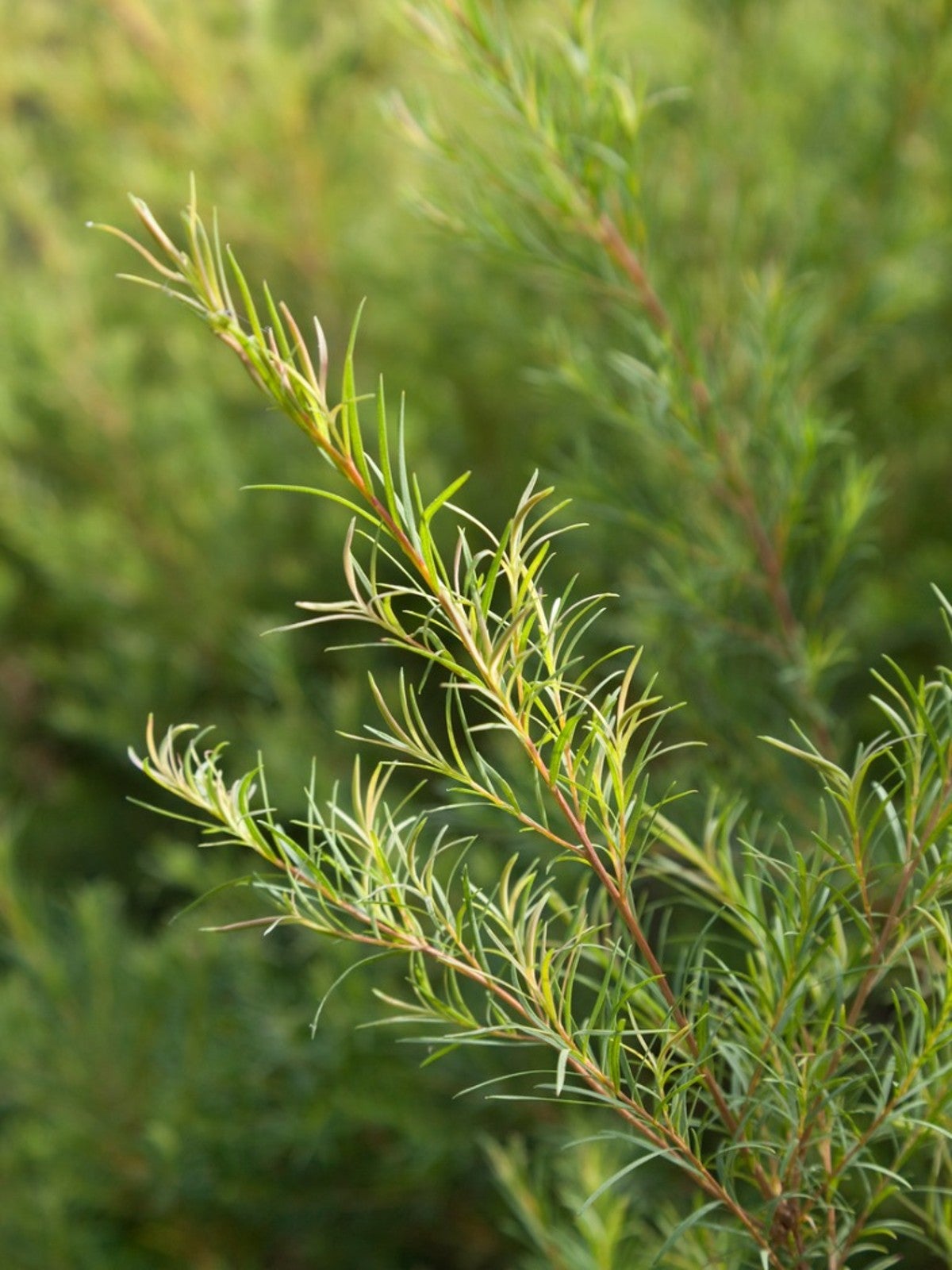
How Tea Tree Got Its Name
In 1770, British explorer Captain James Cook arrived on the eastern coast of Australia during his famous voyage aboard HMS Endeavour. During the expedition, Cook and his crew observed Indigenous Australians brewing aromatic leaves to make a medicinal tea-like drink. The sailors also began brewing the leaves themselves as a substitute for traditional tea.
As a result, the plant became known as the "tea tree" , a name that has remained ever since. Interestingly, tea tree is not related to the traditional tea plant (Camellia sinensis) used to produce black or green tea.
The Birth of Commercial Tea Tree Oil
Although tea tree had been traditionally used for centuries, its medicinal properties were not scientifically investigated until the early 1920s.
Australian chemist Arthur Penfold conducted extensive research on various native Australian plants and discovered that tea tree oil possessed remarkable antiseptic properties. His studies revealed that tea tree oil demonstrated significant antimicrobial activity, sparking widespread commercial interest in the oil.
Following Penfold's research, tea tree oil gained popularity across Australia and was commonly included in first-aid kits.
Tea Tree Oil During World War II
During World War II, tea tree oil became so highly valued that Australian soldiers were issued tea tree oil as part of their military first-aid supplies. It was used to help manage minor cuts, abrasions, and skin issues in the field. Workers involved in harvesting and producing tea tree oil were even exempted from military service because the oil was considered essential to the war effort.
The Global Rise of Tea Tree Oil
Commercial cultivation of Melaleuca alternifolia expanded rapidly during the 1970s and 1980s as demand for natural products grew worldwide. Large plantations were established across New South Wales and Queensland, Australia, making tea tree oil one of Australia's most recognised natural exports.
Today, tea tree oil can be found in countless personal care and wellness products, including:
- Soaps
- Shampoos
- Skincare products
- Candles
- Aromatherapy blends
- Household cleaning products
Its fresh, medicinal, and herbaceous aroma continues to make it a favourite among essential oil enthusiasts worldwide.
Tea Tree Oil Today
Modern research continues to explore the many applications of tea tree oil, particularly in skincare and personal care products. While tea tree oil remains widely appreciated for its cleansing and purifying properties, it should always be used safely and properly diluted before applying to the skin.
From ancient Indigenous traditions to modern aromatherapy, tea tree oil has stood the test of time as one of nature's most treasured botanical gifts.
Whether used in handmade soaps, candles, skincare, or diffusers, tea tree oil remains a timeless essential oil loved by makers and wellness enthusiasts around the world.

